
Living alone makes budgeting more important
Rent, utilities, groceries, delivery meals, subscriptions, and household items all land on one person.
The goal is not perfect restriction. The goal is to make your money flow visible with a simple routine you can repeat.
1. Separate fixed costs from flexible spending
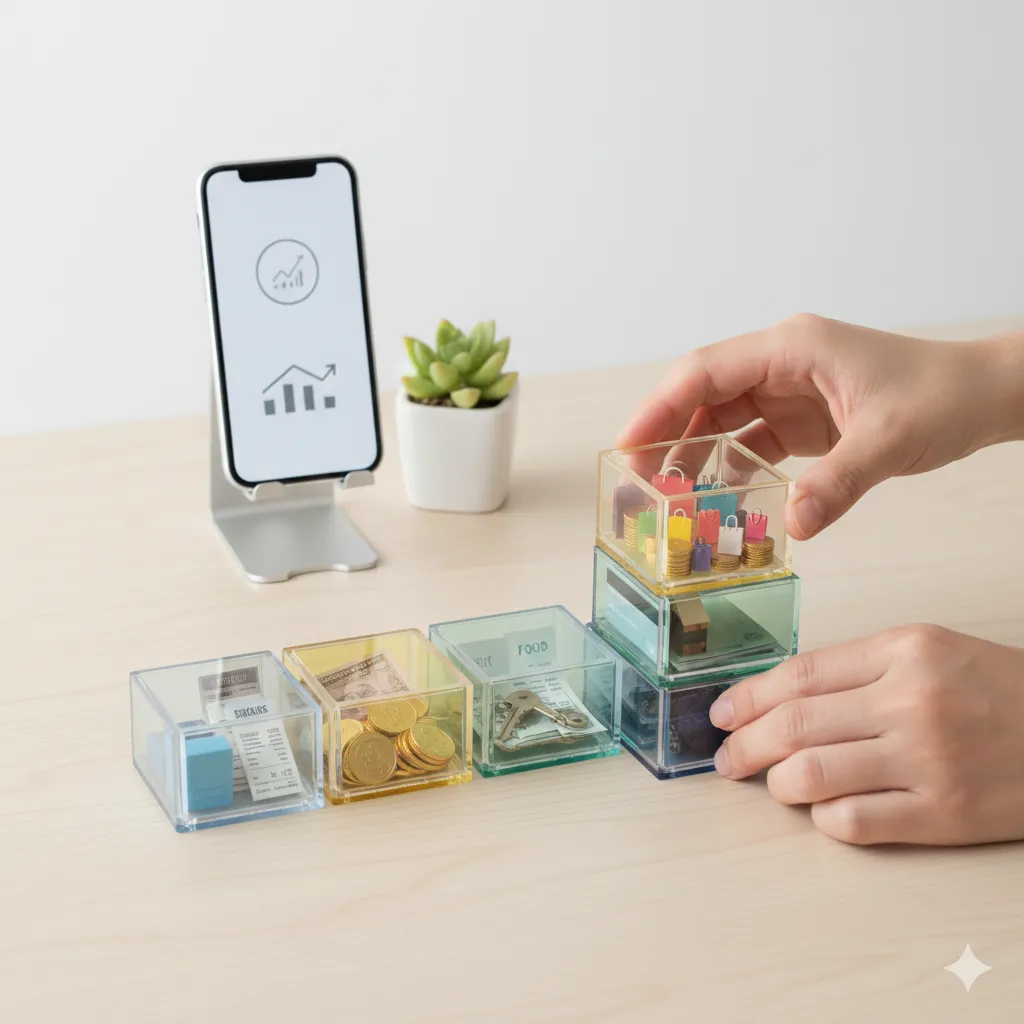
Start with fixed costs like rent, phone bills, insurance, and subscriptions. Then track flexible spending like groceries, cafes, shopping, and transportation.
Fixed costs show your monthly baseline. Flexible spending shows where you can actually adjust.
2. Track groceries and delivery separately
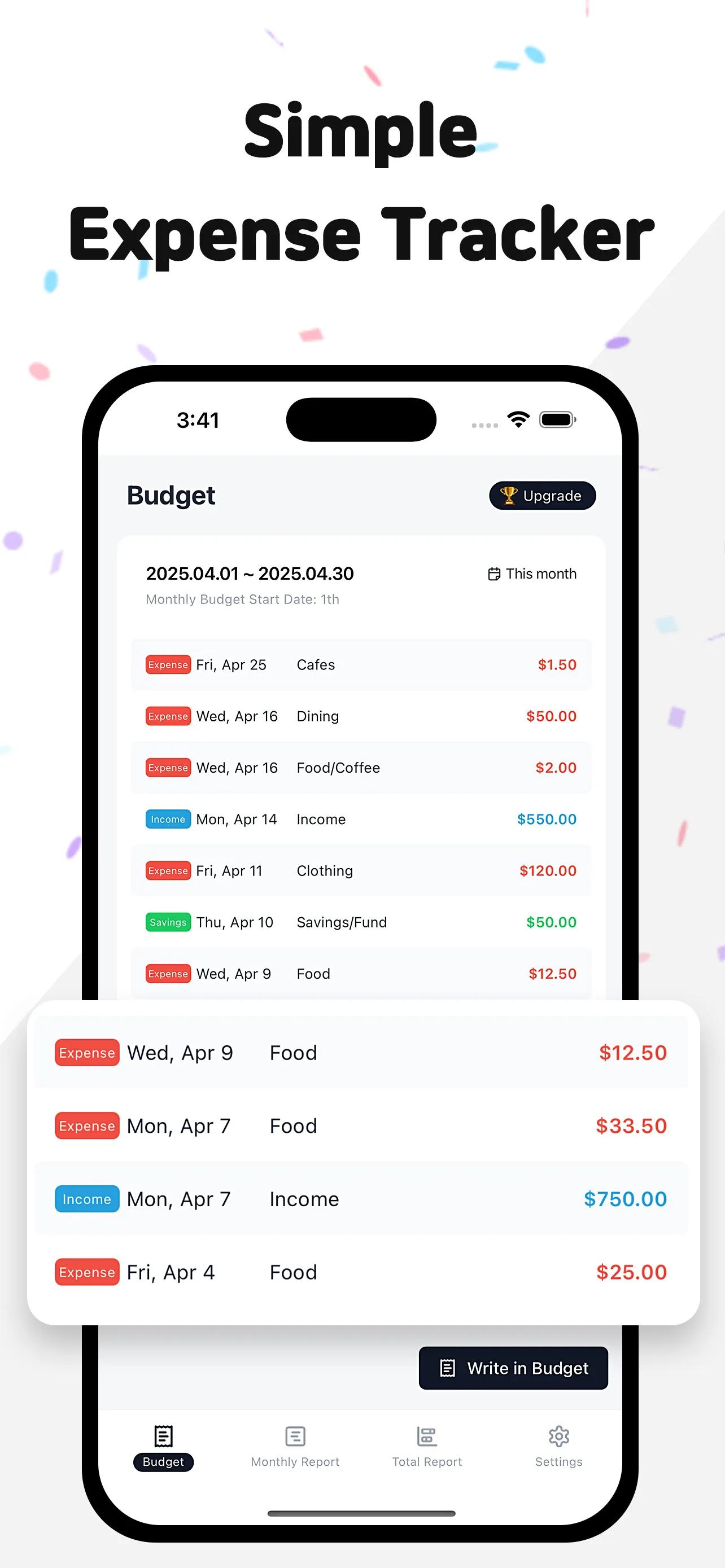
Food spending is where solo households often leak money. Groceries, convenience stores, cafes, and delivery meals may all feel like food, but they are different habits.
Separating them helps you see what to change instead of simply thinking, "I spent too much on food."
3. Use weekly budgets to avoid month-end stress
A monthly budget can feel roomy at the start and tight at the end. For frequent spending categories, weekly budgets are easier to follow.
Checking how much grocery or cafe budget remains this week can prevent small impulse purchases from piling up.
Why solo households should use Money Tracker
A budget app for living alone has to be quick, clear, and easy to keep using.
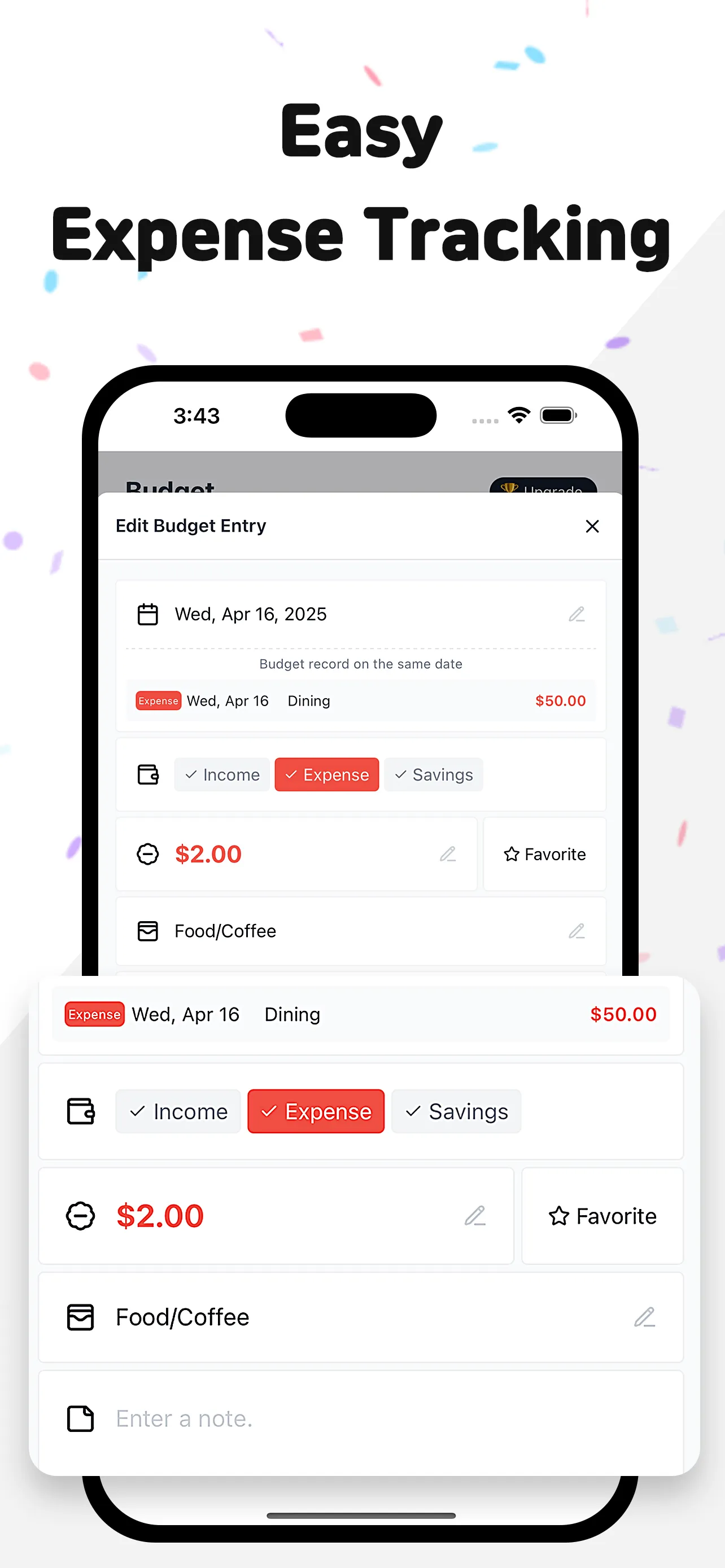
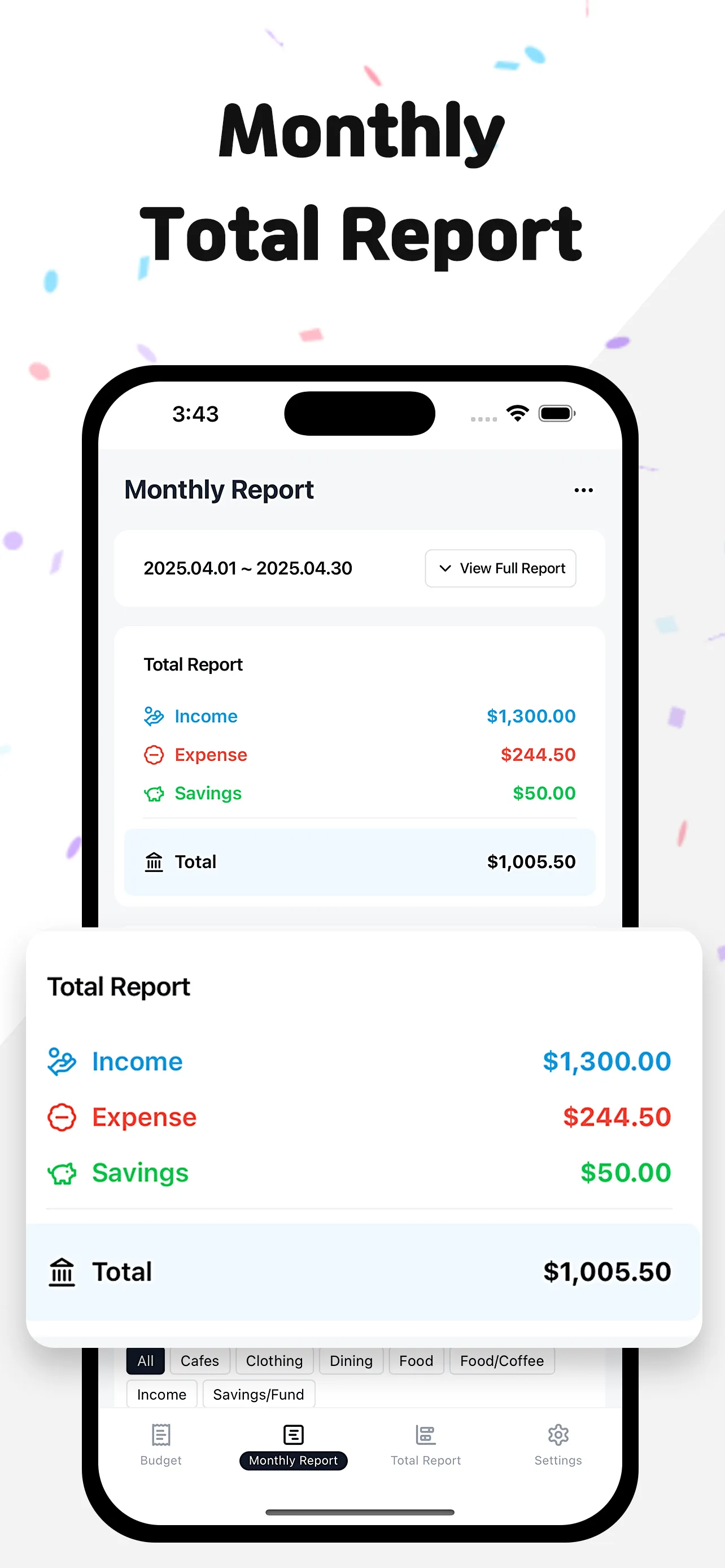
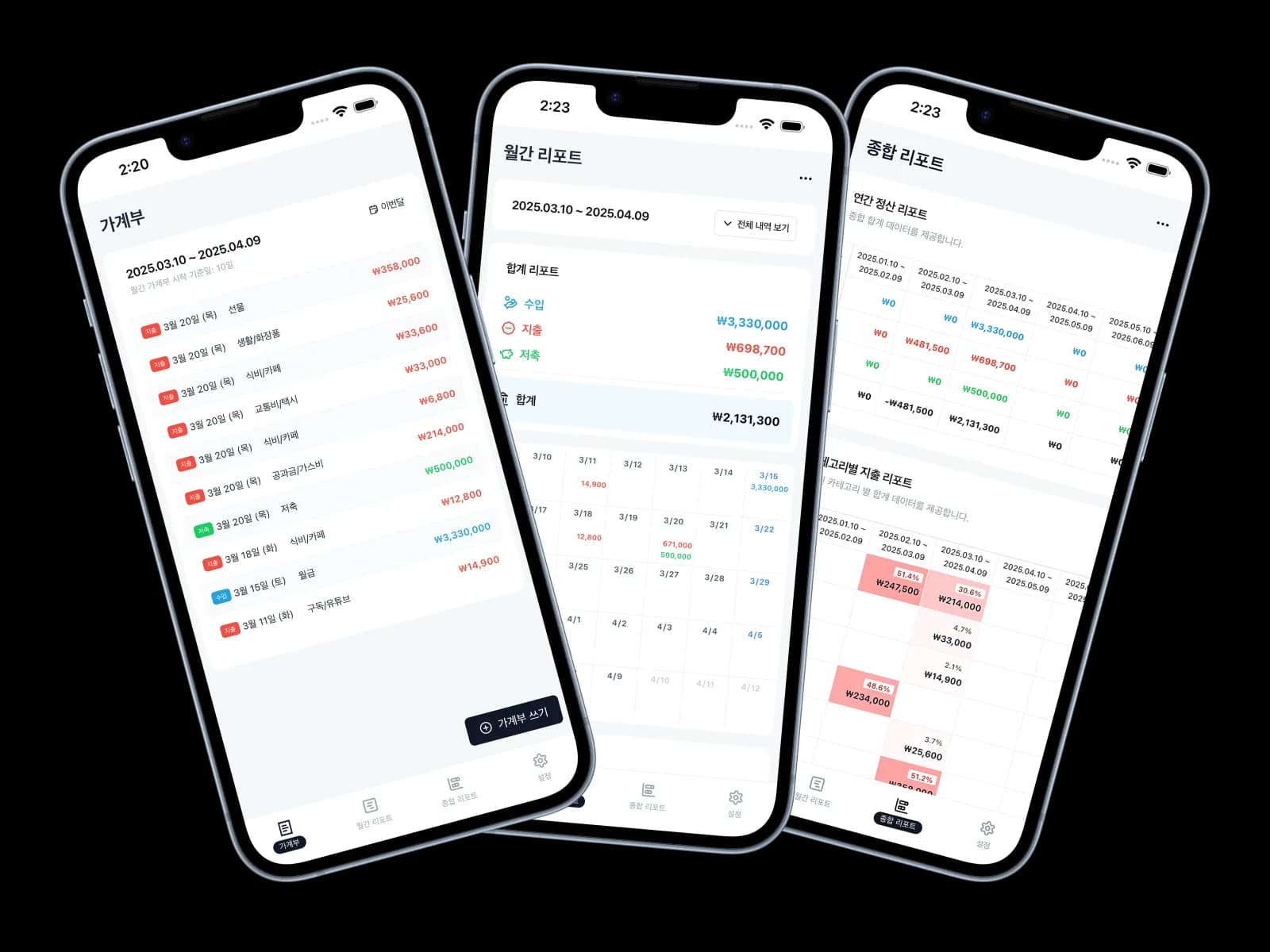
Money Tracker lets you record income and expenses fast, review spending by category, and understand your monthly flow at a glance.
Use it to see what remains after rent, how much you can spend this week, and which subscriptions are quietly draining your budget.
It’s easier than writing everything in detail, and it looks neat and clean.
ks***
It has exactly the features I wanted. SMS-linked apps are convenient for input, but hard to manage. This one shows income, expenses, and savings clearly in reports.
hp***
Finally settled on a budget app! I purchased it within an hour. I don’t like complicated things, and I especially love how the categories are auto-organized.
hs***