
Binge eating is not simply a willpower problem
When binge eating happens during a diet, it is easy to blame yourself.
But strong restriction, skipped meals, stress, and intense hunger can make eating feel much harder to control.

1. Do not cut meals too aggressively
Reducing binge eating starts with eating regularly. Skipping breakfast or eating too little during the day can lead to stronger hunger at night.
2. Do not turn one binge into a failed day
Skipping the next meal as punishment can make the cycle worse. Return to your regular meal rhythm instead of trying to compensate.
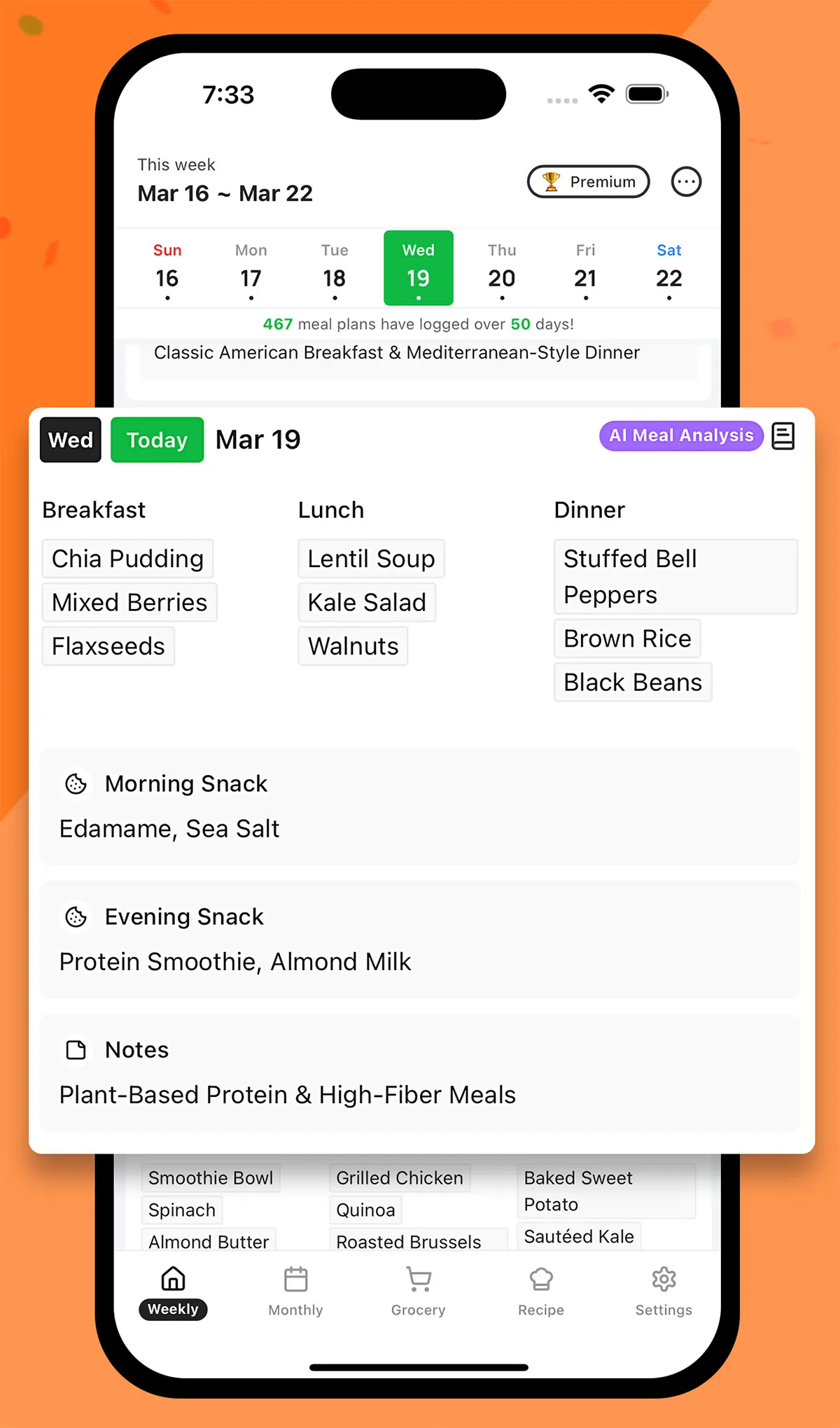
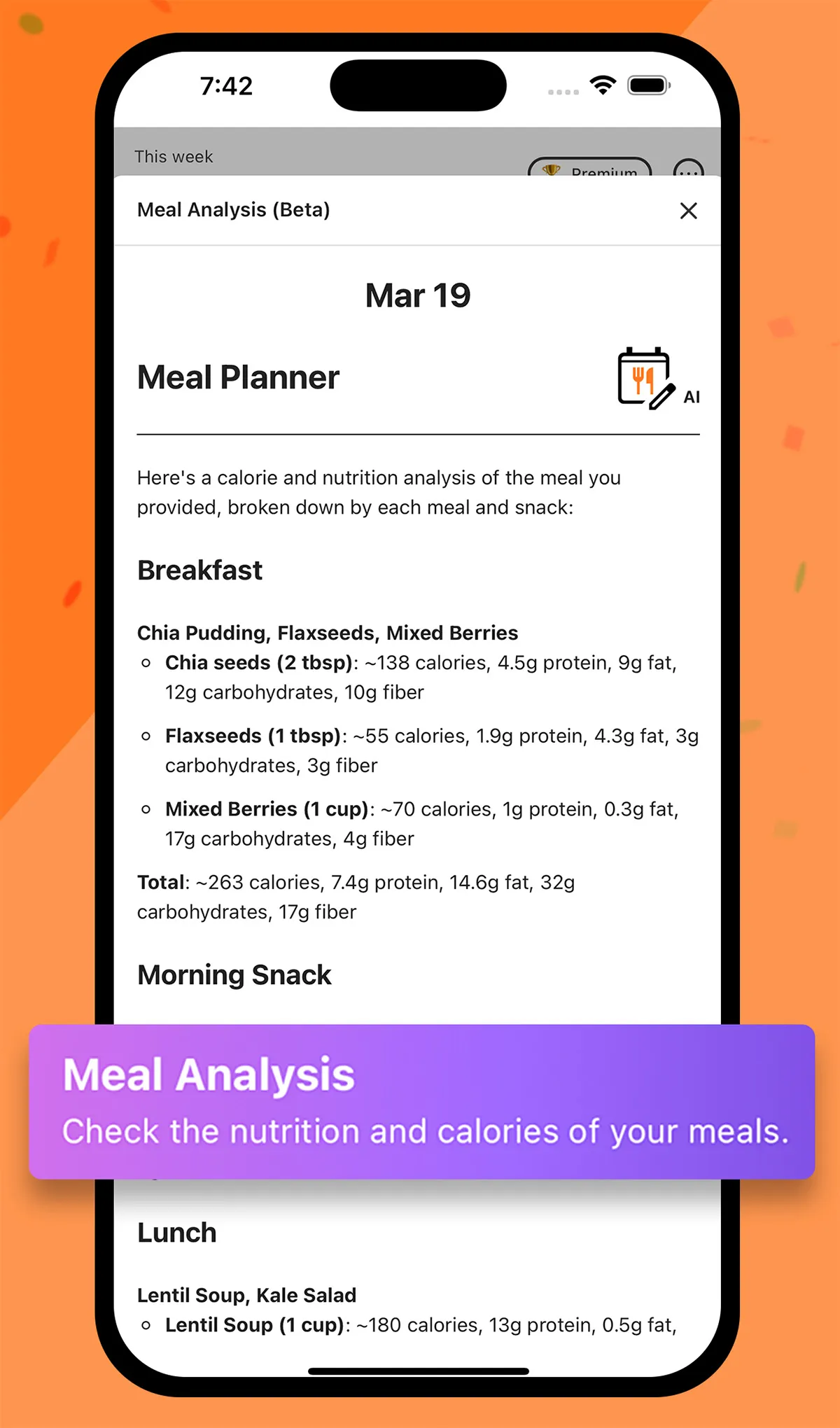
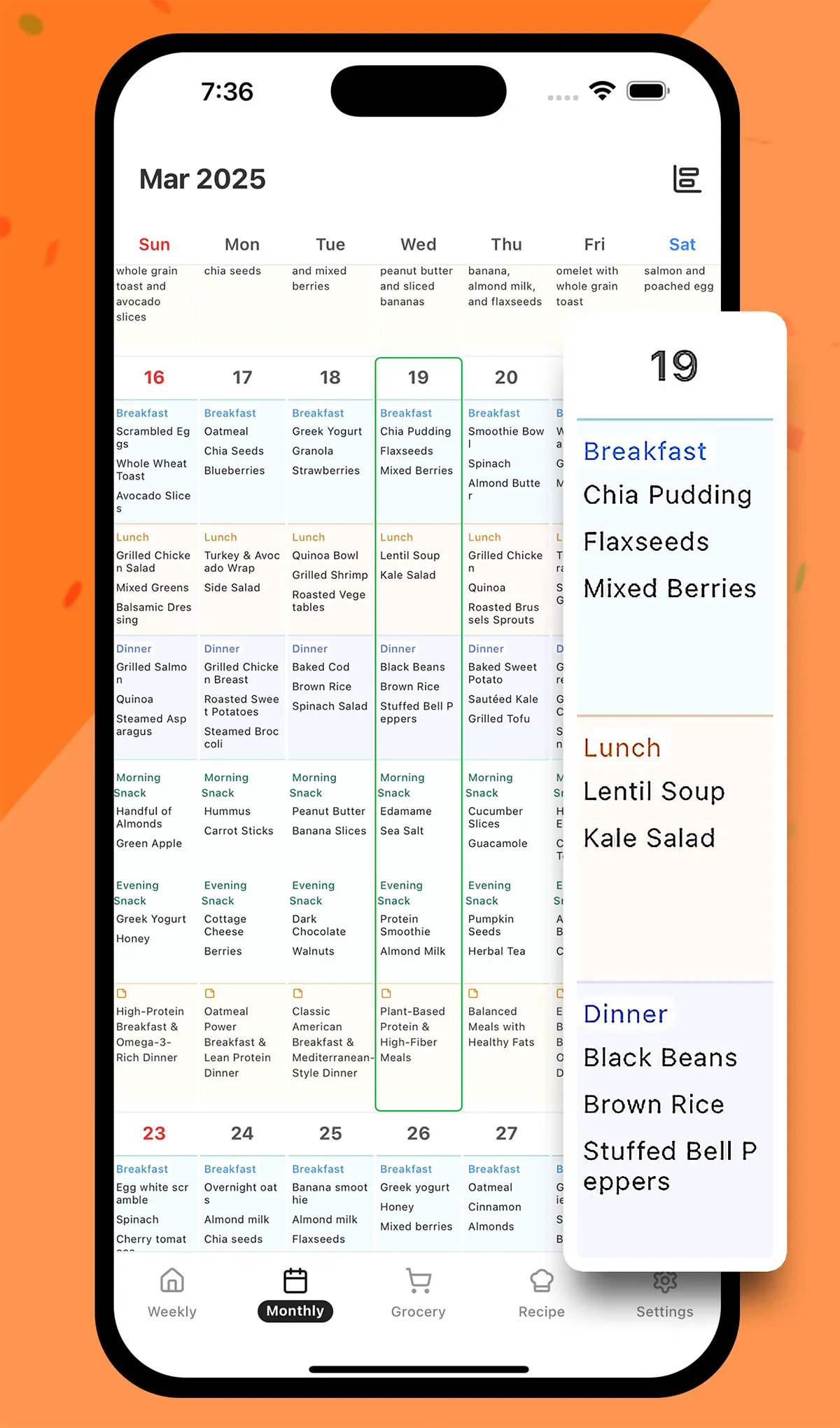
3. Track what happens before a binge
Binge eating can feel sudden, but logs often reveal patterns: skipped meals, exhaustion, stress, late wake-ups, or unplanned evenings.
4. Build repeatable meals, not perfect meals
A strict plan of only "clean" foods may not last. A sustainable diet lets you return to the next meal without guilt or overcorrection.
5. Get support if it keeps happening
If binge eating happens often, feels hard to control, or comes with intense guilt, professional support can be important. An app can help you review meal patterns, but it is not a substitute for care.
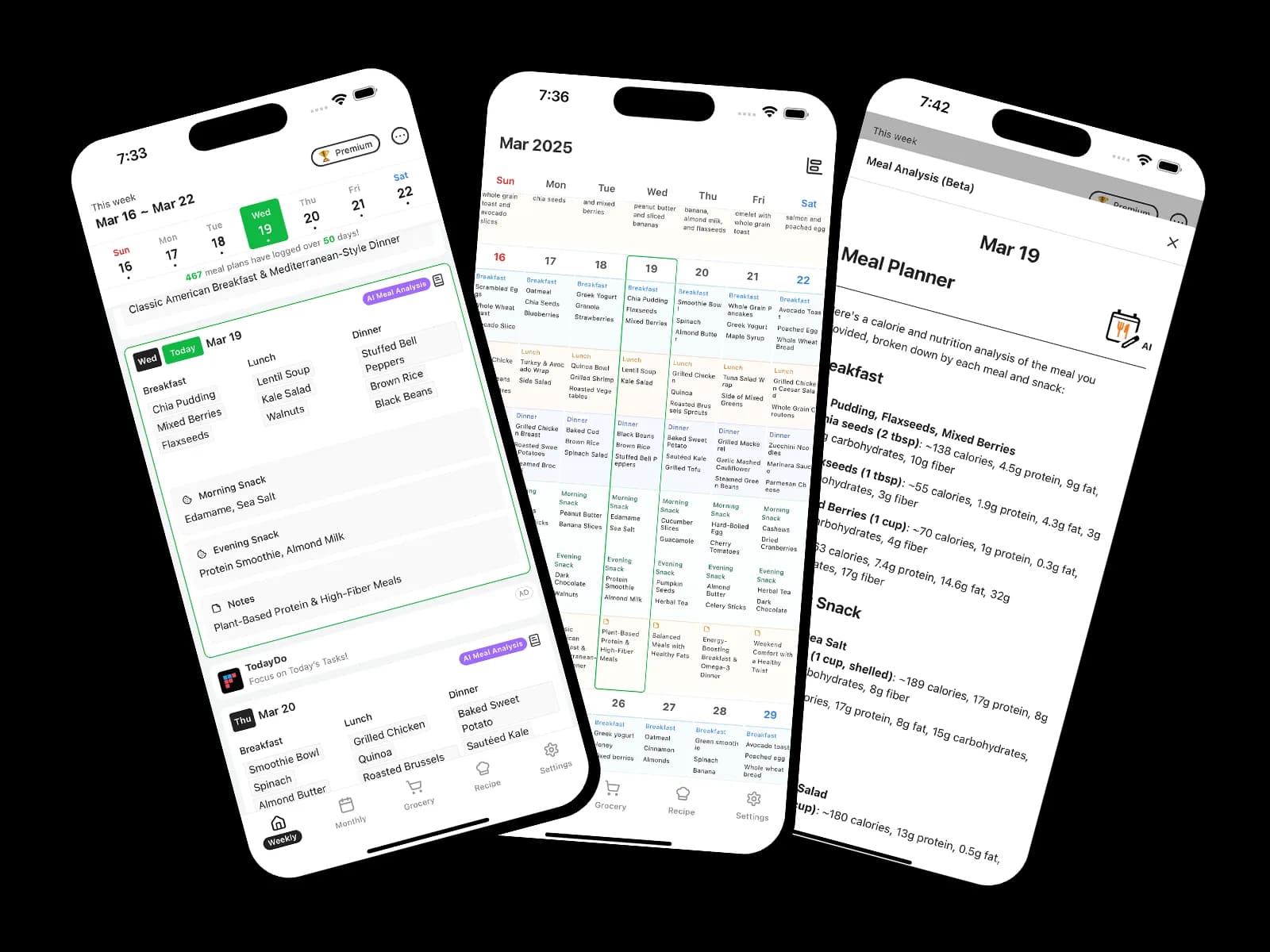
Use MealLog to make your meal patterns visible
MealLog helps you record breakfast, lunch, dinner, and snacks, then review your weekly and monthly eating flow. Start with a simple record of what you ate today. Consistent tracking can be a practical first step toward reducing binge patterns.